
Driving under the influence (DUI) and driving while intoxicated (DWI) are terms often used interchangeably, but they can have different implications depending on the jurisdiction. The primary difference typically lies in the specific laws of each state, with DUI generally referring to impaired driving from alcohol or drugs and DWI more commonly associated with intoxication levels.
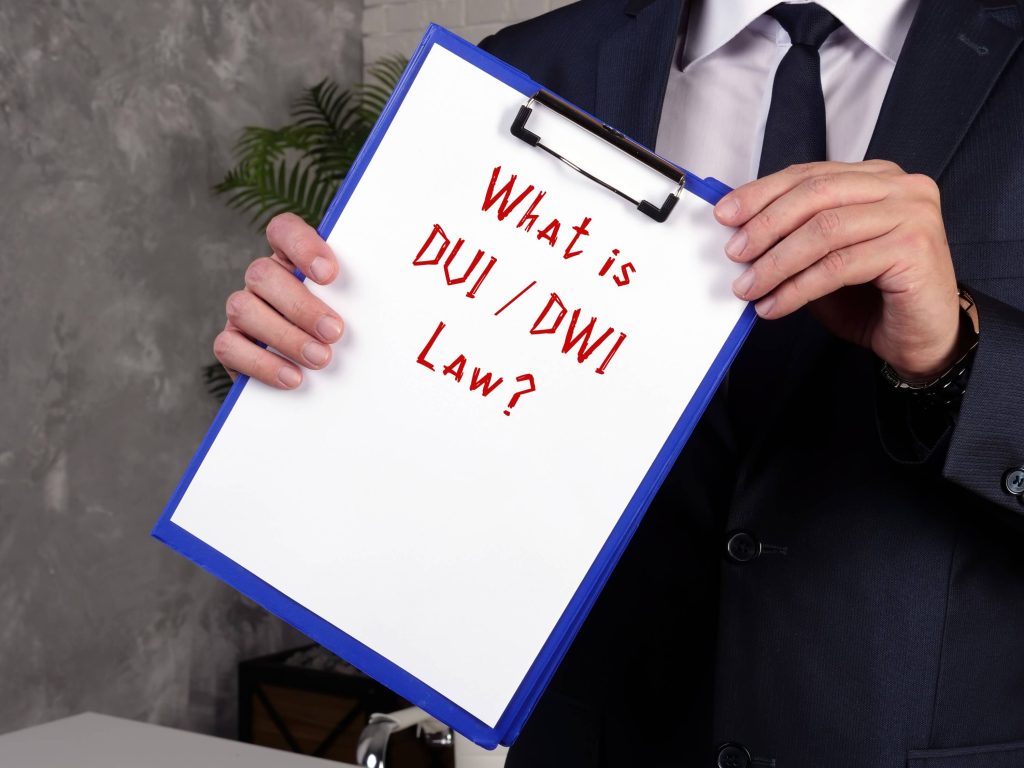
For individuals facing charges, understanding these nuances is essential. Different states classify these offenses with varying degrees of severity and consequences, which can impact fines, license suspensions, and potential jail time.
This distinction not only affects legal representation but also influences how individuals can navigate their situations following an arrest. Identifying the key differences between DUI and DWI can provide clarity and aid in making informed decisions in challenging circumstances.
Understanding DUI and DWI
DUI and DWI refer to offenses related to impaired driving, but they have distinct legal definitions and implications. It is important to recognize these differences to understand their consequences and legal interpretations.
Definition of DUI
DUI stands for Driving Under the Influence. This term generally refers to operating a vehicle while impaired by alcohol or drugs, including prescription medications.
Legal limits for blood alcohol concentration (BAC) typically get defined at 0.08% for drivers aged 21 and over. However, even lower levels can lead to DUI charges if the driver shows signs of impairment.
Consequences for a DUI conviction can include fines, license suspension, mandatory alcohol education programs, and even jail time. These penalties can vary widely by state.
Definition of DWI
DWI means Driving While Intoxicated. While it is often used interchangeably with DUI, DWI usually indicates a greater level of impairment.
In some jurisdictions, DWI specifically relates to alcohol, whereas DUI might include drugs. This distinction can affect how charges are pursued and penalties are assigned.
Penalties for a DWI may be more severe than those for a DUI, especially for repeat offenders. Fines, increased jail time, and harsher penalties can apply, reflecting the seriousness of the offense.
Legal Distinctions and State Laws
The legal definitions and consequences of DUI (Driving Under the Influence) and DWI (Driving While Intoxicated) can vary significantly across states. Understanding these distinctions is vital for those facing charges or seeking prevention methods.
Differences in Legal Consequences
The consequences for DUI and DWI charges depend on state laws and the individual’s situation. In many jurisdictions, DUI often refers to driving under the influence of alcohol or drugs, while DWI typically relates specifically to alcohol impairment.
Typically, penalties for a DUI conviction may include fines, license suspension, and mandatory alcohol education programs. DWI offenses, depending on the state, might result in harsher penalties due to the implication of higher impairment levels. Common penalties for both might include:
- Fines: Varying amounts based on offense severity.
- License Suspension: Timeframes differ based on state laws and prior offenses.
- Imprisonment: Ranges from short-term for first offenses to significant terms for repeat offenses.
Variations in State Regulations

Every state has unique legal definitions and guidelines for DUI and DWI. Some states use the terms interchangeably, while others maintain distinct legal definitions with different implications.
For example, certain states classify BAC (Blood Alcohol Concentration) limits that elevate a DUI to a DWI, leading to stricter penalties. Notable state variations include:
- California: Uses DUI for alcohol and drugs, while DWI is not a separate charge.
- Texas: Distinguishes between DUI (minor driving under influence) and DWI (adults with a BAC over 0.08%).
- New York: Primarily uses DUI to envelop impaired driving, with no separate DWI definition.
Understanding local laws is critical for navigating the consequences associated with these charges.
Penalties and Legal Representation
Understanding the penalties for DUI and DWI is essential for individuals facing these charges. Legal representation plays a crucial role in navigating these complex cases and can significantly impact the outcome.
Typical Penalties for DUI vs. DWI
The penalties for DUI and DWI can vary significantly by state and circumstances.
- DUI Penalties: Common consequences include fines ranging from $500 to $1,500, community service hours, and a potential jail sentence. First-time offenders may face license suspension for a few months, while repeat offenders often incur harsher penalties.
- DWI Penalties: DWI penalties are usually more severe. Fines can start at $1,000 and escalate with subsequent offenses. In addition to longer license suspensions, jail time may be mandatory.
Both offenses can lead to increased insurance rates and mandatory treatment programs.
The Role of Legal Assistance
Legal representation is vital when dealing with DUI or DWI charges. Defense attorneys with experience in these cases can assess the facts and identify any potential defenses.
Weber Law offers specialized legal services tailored for DUI and DWI situations. Their knowledgeable team provides guidance through every step of the legal process, ensuring that clients fully understand their rights.
Skilled attorneys can negotiate plea deals or reduced charges, which can significantly alter the potential penalties. Proper legal support often makes a substantial difference in navigating these serious charges.
Navigating Charges and Legal Action
When facing DUI or DWI charges, taking the right steps is crucial to navigate the legal landscape effectively. Understanding the immediate actions and legal procedures can help in managing the situation.
Steps Following a Charge
Upon receiving a DUI or DWI charge, the first step is to remain calm and gather information about the incident. This includes noting details like the arresting officer’s name, location, and the circumstances surrounding the charge.
Next, it is essential to seek legal counsel. An attorney specializing in DUI/DWI cases can provide guidance, protect rights, and develop a defense strategy. They may suggest options such as plea bargaining or contesting the charges.
Additionally, individuals should check their driving privileges. Depending on the jurisdiction, they may need to deal with administrative penalties like license suspension. Staying informed about deadlines for challenges and hearings is vital to ensure proper legal representation.