
Blood Alcohol Concentration (BAC) is a critical term often encountered in discussions about drinking and driving. BAC quantifies the amount of alcohol in a person’s bloodstream, expressed as a percentage. Understanding this measurement is essential for anyone who consumes alcohol, as it directly relates to legal limits and personal safety.
For drivers, knowing their BAC is crucial in determining whether they are legally fit to operate a vehicle. Different countries have established varying BAC limits, making it important for individuals to stay informed about the laws in their jurisdiction.
Beyond legal implications, BAC offers insight into how alcohol affects individuals differently, based on factors such as body weight, gender, and metabolism. Readers will find this information valuable when navigating social situations involving alcohol consumption.

Understanding Blood Alcohol Concentration
Blood Alcohol Concentration (BAC) quantifies the amount of alcohol in a person’s bloodstream. This measurement is crucial for determining impairment and legal intoxication levels.
Scientific Basis of BAC
BAC is expressed as a percentage, indicating the mass of alcohol per deciliter of blood. For instance, a BAC of 0.08% means 0.08 grams of alcohol in every 100 milliliters of blood.
This metric helps understand alcohol’s effects on the body. As BAC increases, individuals may experience diminished coordination, judgment, and reaction times. Factors influencing BAC include:
- Body weight: Heavier individuals may have a lower BAC for the same amount of alcohol consumed.
- Gender: Women often have a higher BAC than men after consuming equivalent amounts of alcohol due to physiological differences.
- Rate of consumption: Drinking alcohol quickly can elevate BAC more than drinking the same amount over a longer period.
Measurement and Interpretation
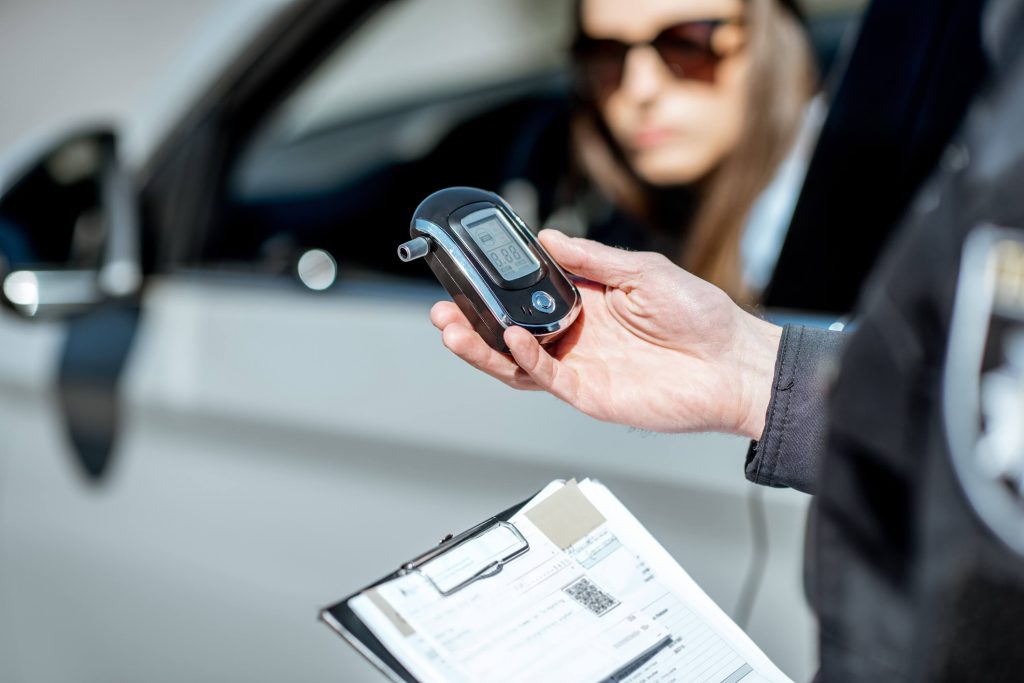
BAC is typically measured using breath, blood, or urine tests. Breathalyzers provide a quick estimation via breath samples, while blood tests offer precise BAC levels.
Legal limits for BAC vary by region. In many areas, a BAC of 0.08% is the threshold for legal driving limits. Understanding how BAC translates to impairment is vital:
- 0.02%: Mild relaxation, slight impairment of judgment.
- 0.05%: Increased risk of motor vehicle accidents; reduced coordination.
- 0.08%: Legal intoxication in many places; significant impairment in motor skills.
- 0.10%: Severe impairment, increased likelihood of loss of control.
Knowing these thresholds can help individuals make informed decisions regarding alcohol consumption and safety.
Legal Implications and Limits
Understanding the legal implications and limits of BAC is critical for anyone who consumes alcohol. Legal standards vary, and exceeding these limits can lead to severe consequences.
BAC Legal Limits
BAC legal limits differ depending on the jurisdiction. In the United States, the standard limit for adults (21 and older) is 0.08%. Some states impose lower limits for commercial drivers, often set at 0.04%. Certain jurisdictions have established a zero-tolerance policy for drivers under the legal drinking age, enforcing a 0.00% BAC.
The limits are designed to mitigate risks associated with impaired driving, aiming to promote road safety. It’s crucial to know local laws, as some areas may have unique regulations regarding BAC measurements.
Consequences of Exceeding Limits
Exceeding the legal BAC limits results in various legal repercussions. Penalties may include fines, license suspension, or mandatory participation in alcohol education programs.
For first-time offenders, consequences can range from fines of $500 to $1,000 and possible jail time. Repeat offenders might face higher penalties, including extended jail sentences, increased fines, and longer license suspensions.
Moreover, insurance rates often rise following a DUI conviction, leading to long-term financial implications. Awareness of these consequences stresses the importance of responsible drinking.
BAC in DUI/DWI Cases
BAC plays a crucial role in DUI (Driving Under the Influence) and DWI (Driving While Intoxicated) cases. Law enforcement typically administers breathalyzer tests or blood tests to measure a driver’s BAC.
A BAC of 0.08% or higher typically constitutes a DUI charge. Drivers with a BAC below this limit might still face charges if other signs of impairment are evident.
During court proceedings, evidence of BAC can significantly influence outcomes. Understanding the nuances of BAC-related offenses helps individuals navigate the legal landscape more effectively.
Strategies for Managing BAC Levels
Effective management of Blood Alcohol Concentration (BAC) involves both preventive measures and an understanding of legal implications. Implementing responsible drinking habits can significantly influence BAC levels and associated legal responsibilities.
Preventive Measures
Preventive measures play a crucial role in managing BAC levels. Awareness of personal limits is vital. Individuals should understand how different factors affect BAC, including body weight, sex, and the rate of consumption.
Establishing a drinking pace is essential. Limiting intake to one standard drink per hour can help maintain a safer BAC level. Alternating alcoholic beverages with water or non-alcoholic drinks minimizes overall consumption.
Planning transportation ahead of time reduces risk. Designating a sober driver or using ride-sharing services alleviates the pressure to consume less. Additionally, eating before and during drinking can slow alcohol absorption, lowering BAC levels.
Legal Advice for BAC Management
Understanding legal repercussions linked to BAC levels is critical. Consulting with a legal expert knowledgeable in local DUI laws provides clarity. Each jurisdiction has specific thresholds and penalties associated with BAC.
Knowing about legal blood alcohol limits can influence decisions. Typically, a BAC of 0.08% is the standard for driving offenses. Individuals should be aware that penalties can escalate with higher BAC levels or prior offenses.
In case of an arrest, having access to legal representation is essential. A lawyer from Weber Law experienced in BAC-related cases can deliver crucial advice and potentially mitigate consequences, especially if there are mitigating circumstances.