
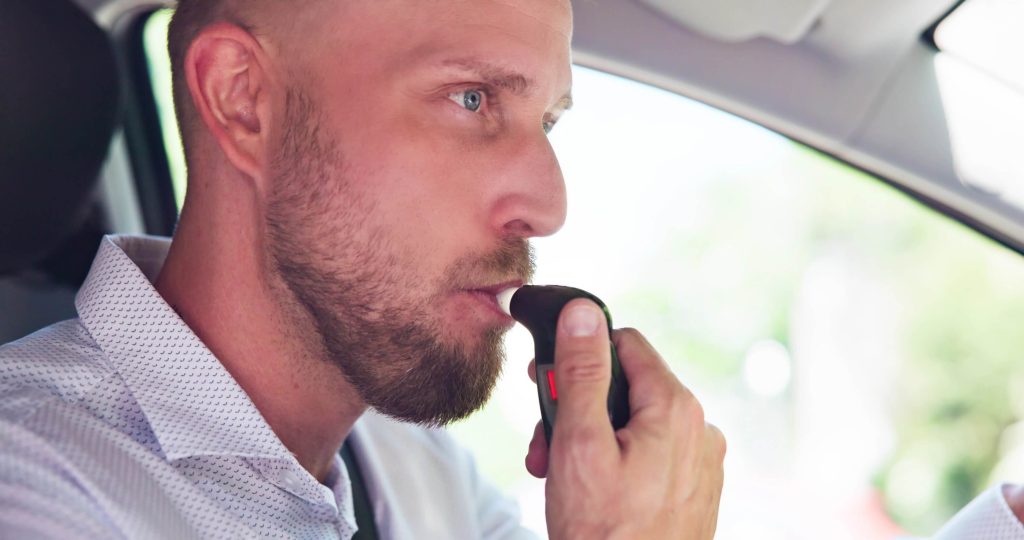
Alcohol can be detected on a person’s breath for various periods, depending on several factors. Typically, alcohol can be detected on the breath for about 12 to 24 hours after consumption, though noticeable breath odor may dissipate within a few hours. This timeframe can vary based on the amount consumed, individual metabolism, and overall health.
Understanding how long alcohol remains detectable is crucial, especially for those who might need to drive. Legal limits for blood alcohol concentration can lead to serious ramifications, including fines or loss of driving privileges. Being aware of breath alcohol detection can help individuals make safer choices regarding their drinking habits.
Alcohol Metabolism and Detection Science
Alcohol metabolism significantly influences breathalyzer results. Various factors impact how long alcohol remains detectable on the breath, including individual biological differences and environmental conditions.
The Role of Alcohol Metabolism in Breathalyzer Results
Alcohol is primarily metabolized by the liver, where enzymes like alcohol dehydrogenase convert it into acetaldehyde and subsequently into acetic acid. This process affects BAC (blood alcohol concentration), which breathalyzers estimate by measuring alcohol vapors in the breath.
Breathalyzers work on the principle that the amount of alcohol in the breath correlates to blood alcohol levels. As the body metabolizes alcohol, the concentration of alcohol in the breath declines. Typically, alcohol can be detected on the breath for several hours, depending on the quantity consumed and the individual’s metabolic rate.
Factors Affecting Alcohol Retention on the Breath
Several factors influence how long alcohol stays detectable on one’s breath. These include:
- Body Weight: Individuals with higher body weight may metabolize alcohol more slowly than lighter individuals.
- Gender: Women often have a higher BAC than men after consuming the same amount of alcohol, due to differences in body composition and metabolism.
- Food Intake: Consuming food before or while drinking can slow absorption into the bloodstream, thus affecting breath alcohol levels.
- Hydration Levels: Dehydration can lead to higher alcohol concentrations in the breath.
Environmental conditions, such as temperature and time elapsed since drinking, also play a role in breath alcohol detection.
Assessing the Impact of False Positives
False positives can significantly impact legal outcomes in cases of suspected impaired driving. Common causes include:
- Chemical Exposure: Certain substances, like mouthwash or breath fresheners, can lead to incorrect BAC readings.
- Residual Alcohol: Alcohol left in the mouth after drinking, even if the individual is sober, can be detected by breathalyzers.
To mitigate these issues, thorough testing procedures and calibration protocols are essential. Understanding these factors helps ensure accurate results and fair legal assessments.
Legal Aspects and Procedures
Navigating the legal landscape after a positive breathalyzer test can be complex. Legal procedures often depend on jurisdiction, while the role of law firms like Weber Law can significantly influence outcomes in DUI cases.
Navigating Legal Procedures After a Positive Test
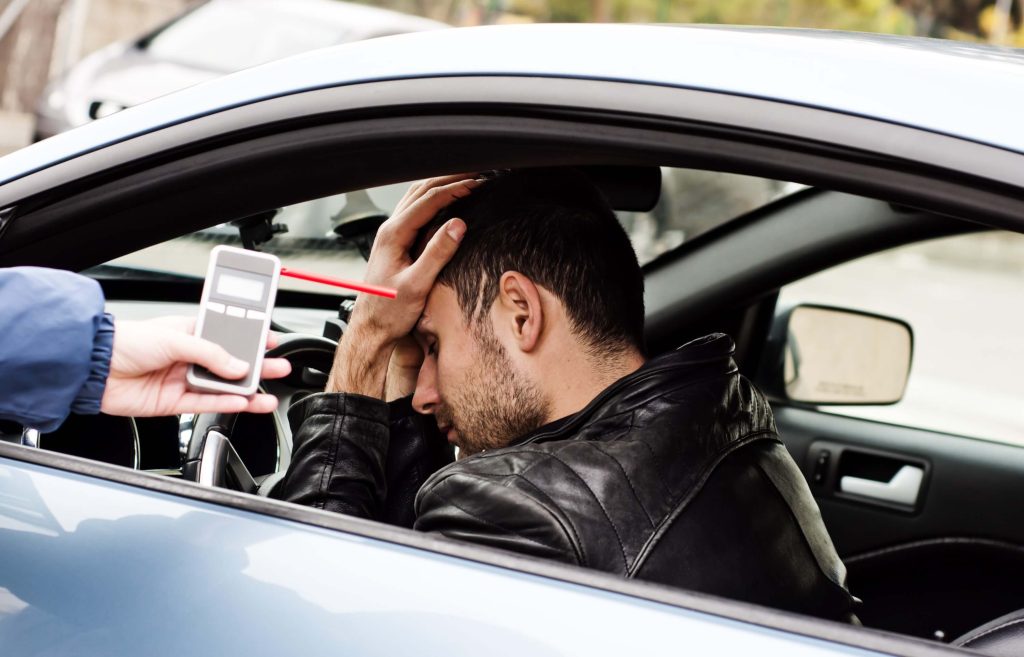
When a driver tests positive for alcohol, they may encounter immediate consequences. These can include license suspension, fines, or criminal charges. Typically, the legal process begins with an arrest based on the test results.
After an arrest, it is crucial to understand the rights of the accused. Legal representation is essential to navigate court proceedings. The timeline for resolution may vary, and plea deals can sometimes reduce penalties. Drivers should be mindful of deadlines for filing appeals or contesting charges. Depending on the jurisdiction, attending mandatory alcohol education programs might also be a requirement.
How Weber Law Supports DUI Defense
Weber Law specializes in DUI defense and provides comprehensive support to clients facing charges. They analyze the circumstances surrounding each case, including the accuracy of the breathalyzer test and police conduct during the stop.
Their team examines possible defenses, such as challenging test results, questioning the legality of the traffic stop, or evaluating the behavior of law enforcement. Weber Law ensures that clients receive thorough representation throughout the process.
By focusing on specific legal loopholes, they aim to protect clients’ rights and minimize penalties. Knowledge and expertise in DUI law can make a significant difference in the outcomes of such cases.
Preventative Measures and Rights
Being informed about how to manage interactions with law enforcement regarding alcohol breath tests is essential. Understanding both preventative measures and legal rights can empower individuals during traffic stops.
Taking Preventative Action
To minimize the risk of alcohol detection on the breath, individuals should consider several proactive strategies. Prior to consuming alcohol, it may be wise to plan transportation options, such as using a designated driver or rideshare service. Consuming food while drinking can also slow absorption rates, potentially reducing breath alcohol concentration.
Timing is crucial. Allowing sufficient time for the body to metabolize alcohol before engaging in any driving activities is recommended. This can help manage breath alcohol levels effectively. Additionally, staying hydrated can assist in metabolizing alcohol, making it beneficial to drink water throughout the evening.
Understanding Your Legal Rights
During a traffic stop, individuals have specific legal rights that are important to understand. They have the right to remain silent and are not obligated to answer questions about alcohol consumption. It is also essential to know that they can request to speak with an attorney if they feel their rights are being violated.
If asked to take a breathalyzer test, it is critical to understand the potential consequences of refusing. Laws may vary by jurisdiction, but refusal can sometimes lead to immediate penalties, including license suspension. Being aware of local laws is vital for informed decision-making during a traffic stop.