
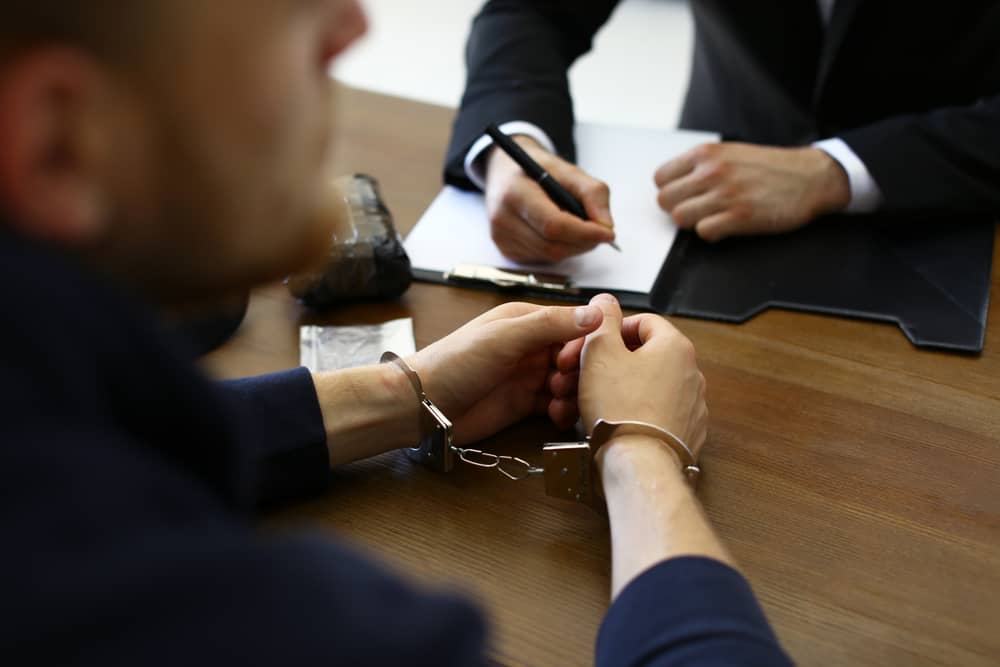
Criminal cases in Utah vary in length depending on the complexity of the charges and the court’s schedule. On average, a criminal case can take anywhere from a few months to over a year to resolve.
Simple misdemeanor cases often conclude quickly, sometimes within a matter of weeks. More serious felony cases typically require more time due to investigations, pre-trial motions, and potential trial dates.

Understanding the Criminal Case Timeline in Utah
Overview of the Criminal Justice System in Utah
Utah’s criminal justice system starts with the arrest and initial charging of a suspect. Law enforcement agencies investigate and gather evidence before handing the case to the prosecutor’s office. The prosecutor decides whether to file charges and which charges to pursue based on evidence strength.
After charges are filed, the case moves through the courts. Judges oversee hearings, arraignments, and trial proceedings. Defendants have the right to legal representation throughout. The system balances timely case resolution with ensuring defendants’ legal rights are protected.
Steps Involved in a Criminal Case
The process begins with an arrest, followed by an arraignment where charges are formally read. Next is the preliminary hearing or grand jury review to establish probable cause. A plea bargain may occur at this point, resolving the case without trial.
If the case proceeds, it enters the pre-trial phase, involving discovery, motions, and scheduling. A trial follows if no agreement is reached. After the verdict, sentencing or appeals may occur. Each step involves specific deadlines to avoid unnecessary delays and uphold justice.
Major Stages of a Criminal Case Process
Arrest and Initial Appearance
The process usually starts with an arrest, which occurs when law enforcement has probable cause to believe a crime was committed. After arrest, the defendant is taken to court for an initial appearance, typically within 48 hours in Utah.
During the initial appearance, the judge informs the defendant of the charges and their rights. Bail conditions are also discussed, and the judge decides whether to release the defendant or keep them in custody. This stage sets the groundwork for the case’s progression.
Preliminary Hearing
The preliminary hearing determines if there is enough evidence to continue the case. The prosecution must present probable cause showing the defendant likely committed the offense.
This hearing is not a trial but a screening process. If the judge finds insufficient evidence, the case can be dismissed. If probable cause exists, the case moves forward to arraignment. The hearing generally happens within a few weeks after the initial appearance.
Arraignment
At arraignment, the defendant is formally charged and asked to enter a plea: guilty, not guilty, or no contest. This occurs after the prosecutor files the information or indictment based on the evidence.
The court also sets future dates, such as for trial or pretrial motions. The arraignment marks the start of the formal court process and can involve discussions about plea bargains or case resolution options.
Key Factors Affecting Case Duration
Complexity of the Case
The complexity of a case often increases the overall duration. Cases involving multiple defendants or numerous charges tend to require more preparation and coordination. Complex legal issues, such as disputed evidence or complicated statutes, can also cause delays.
More complex cases usually demand extended pretrial motions, expert witness testimonies, and longer jury selection processes. These steps add days or months to the schedule. Simpler cases, like minor misdemeanors, usually resolve faster with fewer procedural obstacles.
Type of Crime
The particular crime charged significantly affects case length. Felonies generally take longer than misdemeanors due to their seriousness and the stricter legal procedures involved. Violent crimes or offenses with high penalties often lead to lengthier investigations and trials.
Certain crimes require detailed forensic analysis or specialized investigations, such as drug trafficking or white-collar crimes. Those factors tend to extend the timeline compared to straightforward offenses like petty theft or disorderly conduct.

Evidence Collection
Gathering and analyzing evidence is critical but time-consuming. Cases involving physical evidence or digital data require labs or experts, which can delay proceedings. Waiting for forensic reports is common and often unavoidable.
If the prosecution or defense needs additional time to collect evidence or interview witnesses, courts may grant continuances. Delays here depend on the complexity of the evidence and resources available. The timeline varies widely between cases with scant evidence versus those reliant on extensive material.
Court Schedules
Court availability and scheduling impact case duration directly. Courts in Utah have varying caseloads, and busier jurisdictions may face longer waiting periods for trial dates. Delays are normal when courts prioritize certain cases or juggle limited resources.
Scheduling conflicts with attorneys, witnesses, or judges can require rescheduling hearings or trials. The time from arraignment to trial often depends on how quickly the court calendar allows. Some minor cases resolve during the first hearings, while others may remain pending for many months.
Legal Representation and Case Management
Effective legal representation and strategic case management can significantly influence the duration of a criminal case. Timely actions by defense attorneys and organized handling of case details help avoid unnecessary delays.
The Role of Defense Attorneys in Expediting the Process
Defense attorneys play a critical role in moving a criminal case forward. They ensure all filings, such as motions and evidence disclosures, meet court deadlines, preventing procedural setbacks.
Attorneys also negotiate with prosecutors to resolve cases through plea bargains when appropriate. This often shortens the case timeline compared to trial.
They actively communicate with clients and the court, preparing defenses thoroughly to avoid last-minute complications. These efforts reduce chances for continuances or postponements.
Weber Law’s Approach to Managing Criminal Cases Efficiently
Weber Law emphasizes proactive case management to keep hearings and trial dates on schedule. They prioritize early investigation and evidence gathering to avoid delays.
Their attorneys maintain detailed case files and use technology to track deadlines and court communications. This helps ensure no critical steps are missed.
Weber Law also works closely with prosecutors and court staff to negotiate timelines that suit the case specifics while advocating effectively. This coordinated approach helps control the case duration without compromising defense quality. For trusted legal support, consider consulting Utah Criminal Defense Lawyers to ensure your case is handled efficiently and strategically.