
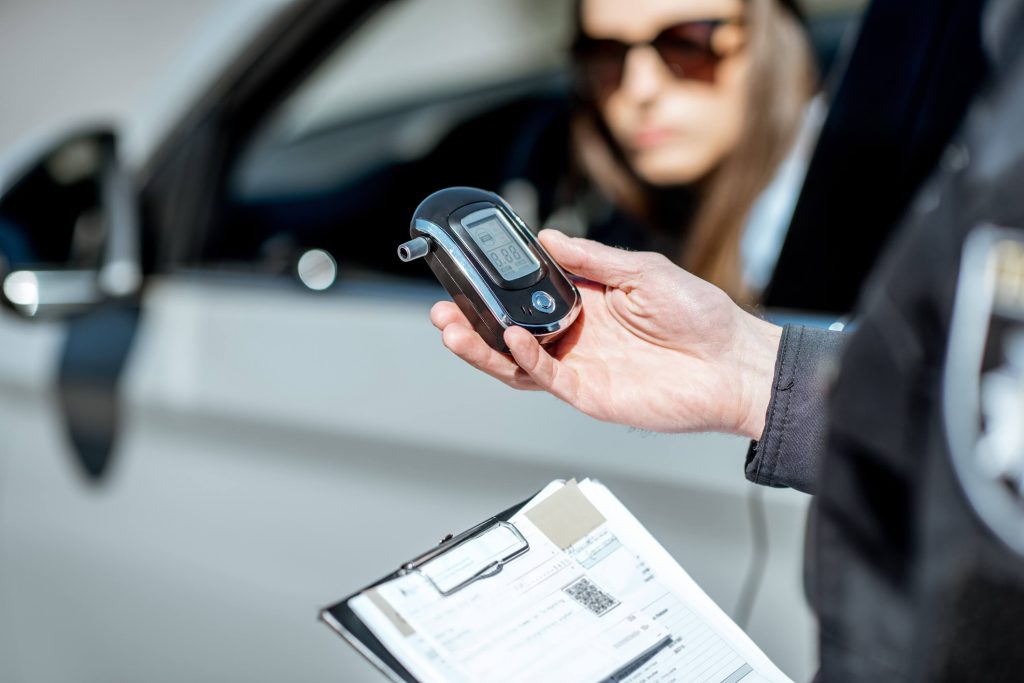
When a driver is pulled over under suspicion of driving under the influence, they may be asked to take a breathalyzer test. This device measures the blood alcohol concentration (BAC) from a breath sample. Understanding the legal implications of refusing this test is crucial for anyone who finds themselves in such a situation.
Refusing a breathalyzer test can lead to immediate legal consequences, including license suspension and potential criminal charges. In many jurisdictions, implied consent laws mean that by simply obtaining a driver’s license, individuals agree to comply with such tests when requested by law enforcement. Refusal may escalate a situation, causing additional penalties that could impact not just driving privileges, but also result in hefty fines.
Understanding Breathalyzer Tests
The Science Behind Breathalyzers
A breathalyzer operates by using a principle known as infrared spectroscopy or electrochemical analysis. When a person exhales into the device, the alcohol in the breath vapor is absorbed. The key components of breathalyzers include:
- Sensor: Detects the presence of alcohol.
- Microprocessor: Analyzes the alcohol concentration.
- Display: Shows the BAC level.
The device can convert alcohol concentration in breath to an estimated BAC. This result is used to assess whether an individual is over the legal driving limit, typically 0.08% in many jurisdictions.
Legality of Breathalyzer Use
Breathalyzer tests are legal enforcement tools in most areas. Consent to such tests is often implied when a driver obtains a license, meaning that refusal can lead to penalties. The potential legal consequences for refusal include:
- License Suspension: Immediate suspension in many states.
- Fines: Additional financial penalties may apply.
- Increased Charges: Evidence of refusal can lead to harsher DUI charges.
Understanding the legal framework is vital for drivers. Complying with breathalyzer requests is typically in a person’s best interest to avoid these severe repercussions.
Consequences of Refusal
Immediate Legal Outcomes
When an individual refuses a breathalyzer test, serious penalties can be imposed right away. These penalties often include the immediate suspension of the driver’s license. The length of suspension varies by state but can range from six months to a year for a first refusal.
In addition to license suspension, fines may be imposed. These fines can range from a few hundred to several thousand dollars, depending on local laws. Law enforcement may also record the refusal as evidence against the individual in potential criminal proceedings.
Long-Term Repercussions
If you’re asking “What to expect if I refuse a breathalyzer?”, the answer is that refusing a breathalyzer can have long-lasting effects on court cases. A refusal is often treated as an admission of guilt. This perception can negatively impact defense strategies and make it more challenging to negotiate plea deals.
Moreover, repeated refusals can lead to increased penalties for future offenses. Courts may impose stricter consequences for individuals with a history of refusing breathalyzer tests, including enhanced fines and longer license suspensions. This pattern can affect insurance rates and future driving privileges.
State-Specific Laws and Their Impact
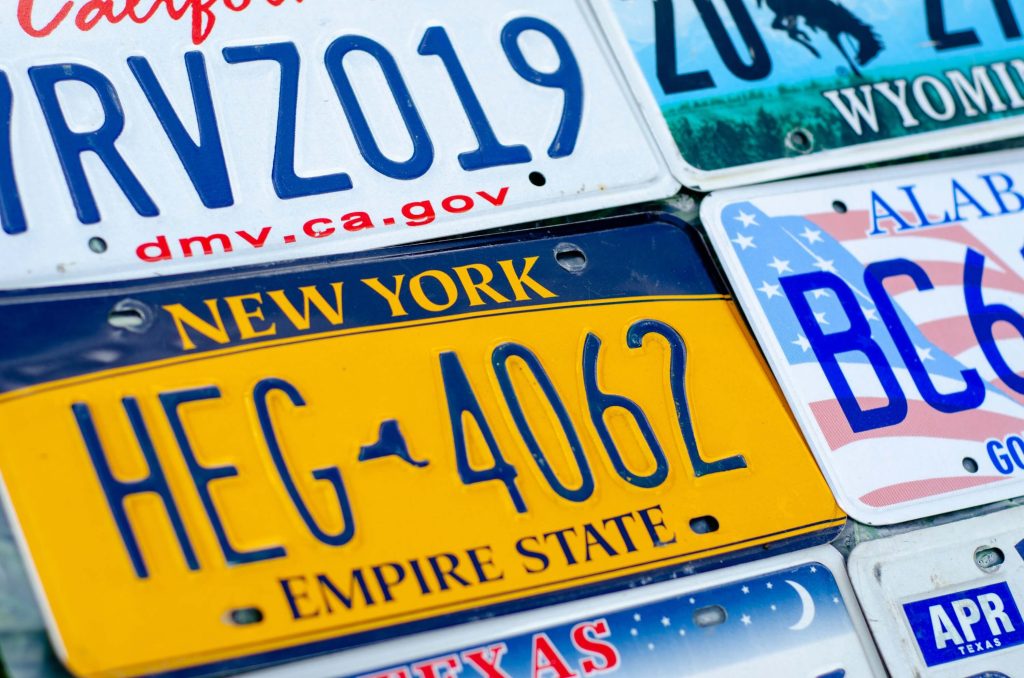
Different states have distinct laws regarding the refusal of breathalyzer tests, each with its breathalyzer refusal penalties. Understanding these laws helps individuals navigate the legal landscape effectively.
California’s Stance on Refusal
In California, refusing a breathalyzer test can lead to significant penalties. Under the state’s implied consent law, drivers automatically consent to chemical testing by operating a vehicle. A refusal can result in a one-year license suspension for the first offense.
Subsequent refusals can lead to harsher consequences, including longer suspensions. Moreover, refusal can be used as evidence in court, potentially strengthening the prosecution’s case. This means that even without test results, a refusal signals probable intoxication.
Utah’s Approach to Breathalyzer Noncompliance
Utah has strict laws regarding breathalyzer refusals. Similar to California, the state enforces implied consent laws, establishing that drivers must comply with chemical testing requests. A refusal in Utah can lead to an automatic license suspension for 18 months.
Furthermore, the legal standards in Utah are strict. Courts may interpret refusals as an admission of guilt, impacting the outcome of DUI charges. There are minimal avenues for rehabilitation or plea bargaining related to refusal cases.
Colorado’s Regulations
Colorado also adheres to implied consent laws for breathalyzer tests. Refusing to take a breath test can result in a license suspension for 12 months for first-time offenders. Multiple refusals can lead to increased penalties, including longer suspensions.
The state courts view refusals seriously, and they can adversely affect DUI cases. In many instances, refusal may lead to a more challenging scenario in court, as it raises suspicion regarding a driver’s sobriety.
Washington State’s Laws
In Washington, refusal to take a breathalyzer test incurs severe penalties. The state has a strict implied consent law, and refusing a breath test leads to an automatic license suspension of at least one year.
Additionally, repeat offenders face longer suspensions. Law enforcement may also view refusal as additional evidence of intoxication when pursuing DUI charges. Drivers can face both administrative penalties and potential criminal implications derived from their refusal.
Navigating DUI Charges and Seeking Legal Aid
Alternate Testing and Evidential Challenges
When a breathalyzer test is refused, law enforcement may utilize alternative methods for determining impairment. These can include Field Sobriety Tests (FSTs), which assess balance, coordination, and the ability to follow instructions. Common tests include the Walk-and-Turn and One-Leg Stand tests.
The results from these tests can be contested in court. If the police officer did not follow standardized procedures or the individual had legitimate medical conditions affecting performance, there may be grounds for challenging the evidence. Furthermore, video footage from the traffic stop can provide critical context, which may be beneficial for the defense.
Weber Law’s Assistance for DUI Cases
Weber Law offers specific resources and legal support for individuals facing DUI refusal cases. Their team will review the circumstances surrounding the refusal and the arrest. They can identify weaknesses in the prosecution’s case, such as improper administration of tests or failure to obtain proper warrants.
Weber Law helps clients prepare for potential court appearances and advises on plea options. They may negotiate with prosecutors to reduce charges or pursue alternative sentencing based on the case specifics. Their experienced legal guidance aims to achieve the best possible outcome for each client.